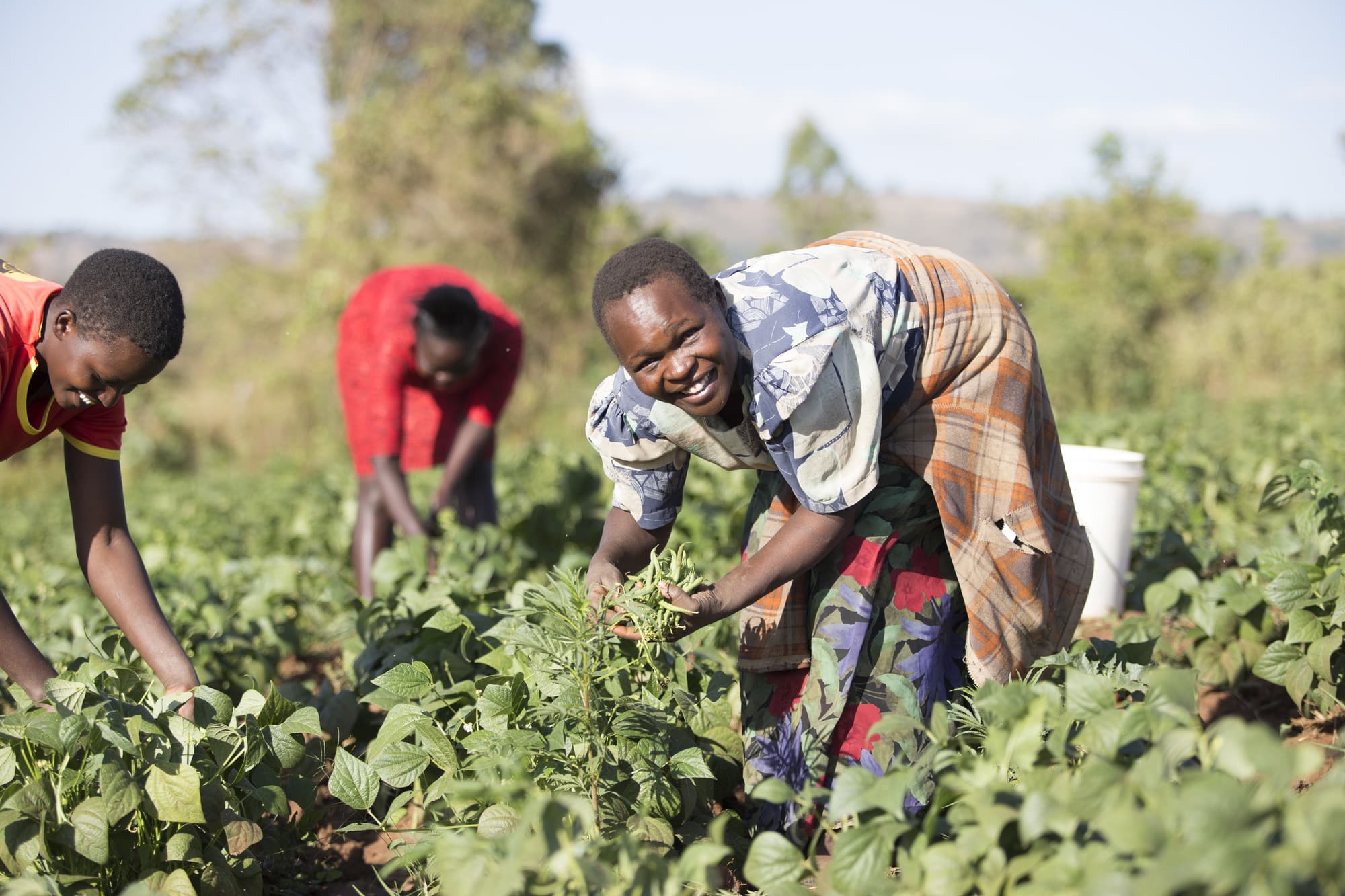
Sustainable farming is the way forward for Ugandan farmers who want to improve their yields and protect the environment. Adopting practices that are kind to the land not only boosts productivity but also ensures the land remains fertile for future generations.
One key practice is crop rotation. By planting different crops in the same field each season, you can prevent the depletion of specific nutrients in the soil and reduce the risk of pests and diseases. For example, alternating maize with legumes like beans can enrich the soil with nitrogen, promoting healthier crops in the next planting season.
Another important method is the use of organic fertilizers, such as compost or animal manure. These natural fertilizers improve soil structure, increase water retention, and provide essential nutrients to your crops without the harmful effects of chemical fertilizers.
Water conservation is also crucial. Simple techniques like mulching, which involves covering the soil with plant residues, can help retain moisture and reduce the need for frequent watering. This is particularly useful in areas with irregular rainfall.
Integrated pest management (IPM) is another sustainable approach. Instead of relying solely on chemical pesticides, IPM encourages using natural predators, crop diversity, and organic repellents to control pests. This reduces the chemical load on the environment and keeps your crops safe. By incorporating these sustainable practices, Ugandan farmers can enjoy better yields, healthier soil, and a brighter future for their farms and communities.