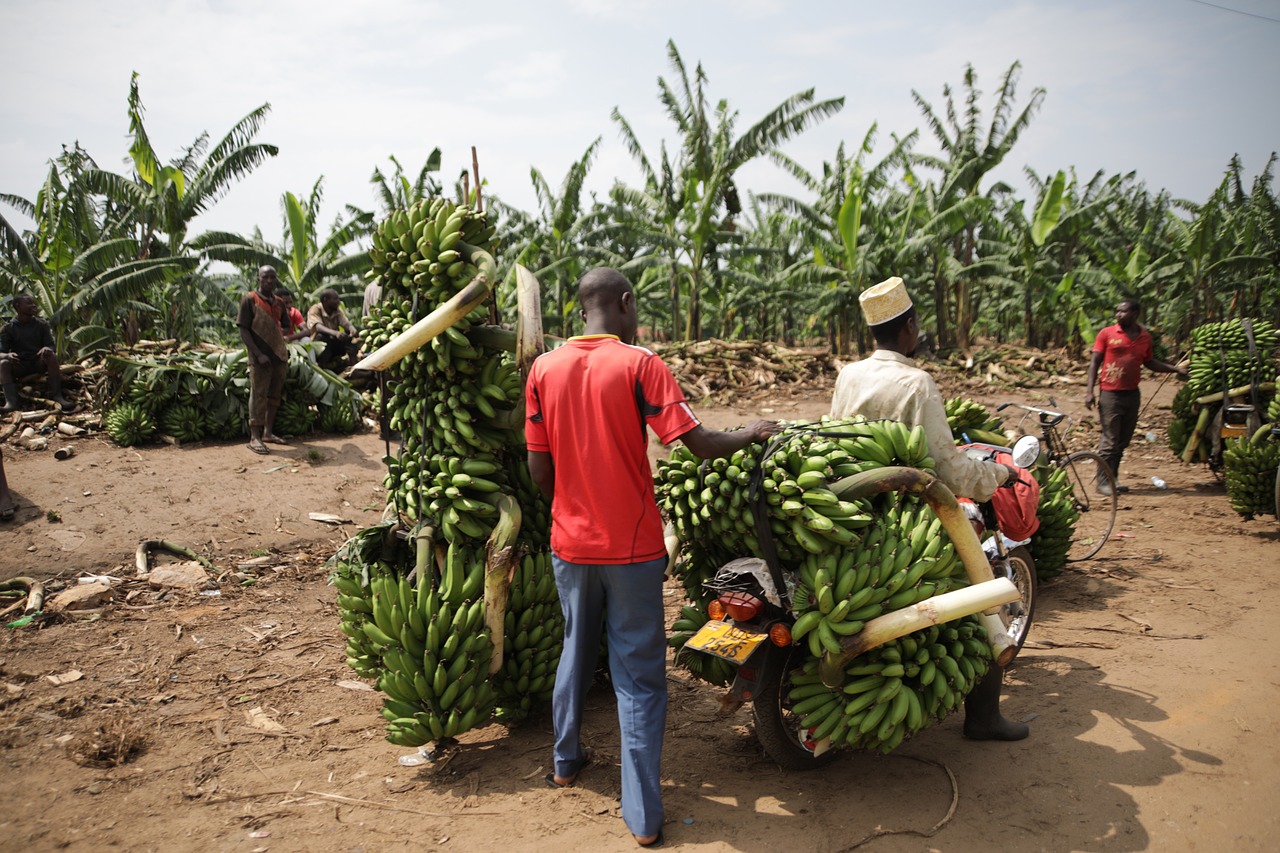
Fairtrade has the power to transform the lives of Ugandan farmers by ensuring they receive fair prices for their products. In a country where many farmers struggle with low incomes and exploitative market practices, fair trade offers a pathway to better livelihoods and sustainable farming.
Under fair trade agreements, farmers are guaranteed a minimum price for their produce, which helps them cover their costs and invest in their farms. This stability is crucial, especially in times of market fluctuations or poor harvests. For many farmers, fair trade means they can afford to send their children to school, improve their homes, and reinvest in better farming practices.
Fairtrade also emphasizes the importance of sustainable farming. Farmers are encouraged to use environmentally friendly methods that protect the land, conserve water, and reduce the use of harmful chemicals. This not only benefits the environment but also ensures the long-term viability of the farm.
Moreover, fair trade often comes with community development projects. Premiums from fair trade products are reinvested into local communities, funding schools, health clinics, and infrastructure improvements. This collective benefit strengthens communities and fosters a spirit of cooperation among farmers. For Ugandan farmers, fair trade is more than just a market; it’s a movement that empowers them to build a better future. By supporting fair trade products, consumers play a vital role in helping farmers live dignified lives, grow better crops, and contribute to their communities’ overall well-being.