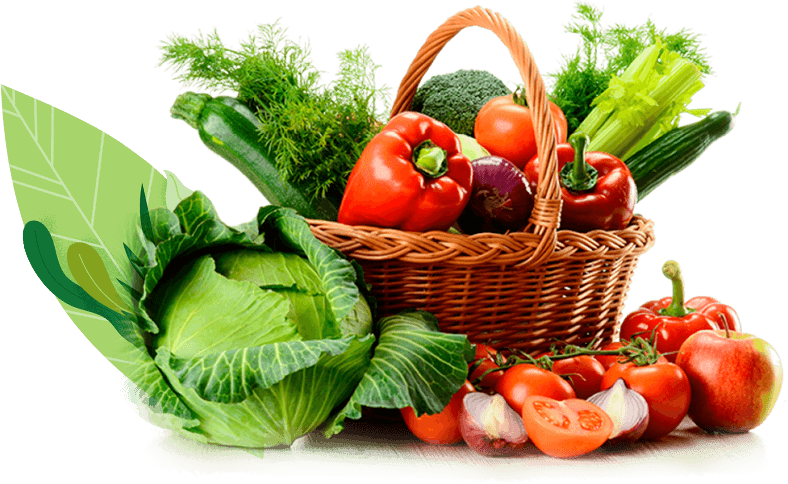
Buying organic ingredients in Uganda is becoming more popular as people look for healthier, more natural options. But with so many choices, it can be tricky to know what to look for. Here’s a simple guide to help you make the best choices for you and your family.
First, always check the labels. Look for certifications like “Certified Organic” from organizations you trust. These labels mean the food was grown without synthetic chemicals, which is better for your health and the environment.
Shopping at local farmers’ markets is a great way to find fresh, organic produce. In places like Nakasero or Owino Market, you can talk directly to the farmers and learn about their practices. Buying local also means your food is fresher and hasn’t traveled long distances, which is better for the environment.
If you’re shopping in supermarkets, focus on the “Dirty Dozen”—a list of fruits and vegetables that are most likely to have pesticide residues. Buying these items organic ensures you’re reducing your exposure to harmful chemicals.
Finally, don’t forget to ask questions. Whether you’re at the market or the grocery store, ask where the produce comes from and how it’s grown. The more you know, the better choices you can make.
With this guide, you can confidently shop for organic ingredients, supporting your health, local farmers, and the environment. It’s a win-win for everyone involved.